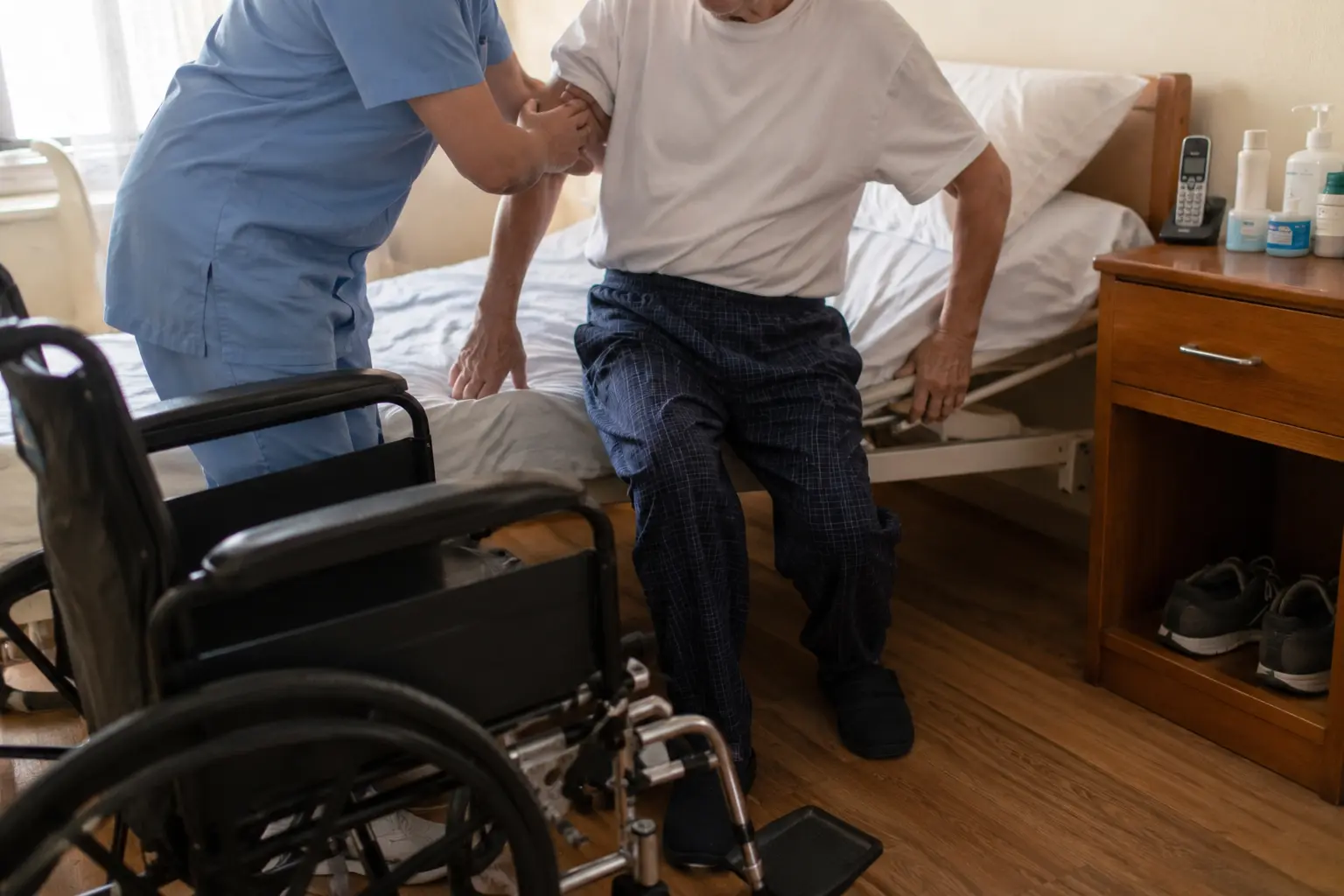
Families rely on nursing facilities to provide a safe setting where senior citizens may get the daily help, monitoring, and medical care they need. Because residents often depend on caregivers for almost every facet of daily life, safety and appropriate care are crucial rather than optional. Preventable injuries may happen in care facilities that don’t adhere to established standards, resulting in people experiencing physical discomfort, psychological suffering, and a worse quality of life.
By providing enough personnel, training, communication, and attention to resident needs, many of these occurrences may have been prevented. It takes more than just placing blame to hold establishments responsible. It is about promoting greater standards throughout the long-term care sector while making sure that vulnerable people get the protection, dignity, and respect they deserve.
Knowing What Constitutes A Preventable Injury
Negligence is not the cause of every accident that occurs in a care home. Falls, infections, and other problems are inherently more likely to occur in certain medical conditions. However, a lot of injuries happen as a result of improper care practices or disregard for necessary measures.
Falls brought on by insufficient monitoring, pressure ulcers from infrequent repositioning, medication mistakes, dehydration, starvation-ketoacidosis-in-acute-care-surgery-a-case-report-and-literature-review#!/">starvation, untreated infections, burns, and accidents from using mobility equipment incorrectly are all examples of preventable injuries. In many cases, warning indicators show up far in advance of major damage. Failure to identify or address such indicators might be an indication that the institution is not providing the desired level of care.
Why Responsibility Safeguards Present And Future Citizens
The consequences of holding nursing facilities accountable for avoidable injuries often go beyond a single instance. Facilities are encouraged by legal responsibility to examine internal rules, enhance employee training, bolster monitoring, and implement safer procedures.
Families that often seek justice do so not just for their loved ones but also to help save other people from being impacted by similar situations. Stronger adherence to healthcare rules, better recruiting practices, higher staff education, and improved documentation processes might all result from increased accountability.
The Significance Of Examining Each Serious Injury
Determining whether an accident was caused by preventable carelessness or unavoidable circumstances requires a detailed examination. Important information may be found in medical records, incident reports, witness testimonies, staffing schedules, surveillance video, and reports from regulatory inspections.
Before formal investigations start, families may see warning signals. Careful attention should be given to unexplained injuries, frequent falls, abrupt behavioral changes, poor cleanliness, quick weight loss, or conflicting staff explanations. Any future legal claim may be strengthened by early documentation of these issues.
When determining whether established care standards were broken, an independent examination often offers more clarity.
How Legal Counsel Assists Families In Pursuing Justice
It may be difficult to handle nursing home injury claims, especially if you are taking care of a loved one who is hurt. In order to reduce liability, facilities and their insurance companies may employ seasoned legal teams. Families are better equipped to assess their legal alternatives and comprehend their rights when they have skilled legal assistance.
In order to ascertain if carelessness contributed to the resident’s condition, a Nursing Home Injury Law Group may look into the facts surrounding an accident, gather supporting documentation, and, if required, contact medical professionals. Legal experts can assist in determining damages, which may include expenditures for medical care, rehabilitation, mental anguish, pain and suffering, and other monetary losses related to the accident.
Since every case has different facts, expert legal advice is helpful throughout the whole claims procedure.
Creating Higher Standards Via Accountability
Improvements in care facilities are often spurred by successful legal actions. After major events, administrators may establish tougher safety procedures, reinforce reporting systems, improve resident monitoring, raise personnel numbers, and improve employee training.
Communities that depend on long-term care services as a whole gain from these advancements in addition to individuals. Accountability emphasizes the value of resident-centered care while motivating institutions to consistently adhere to healthcare standards.
Good nursing facilities constantly assess their operations and look for ways to do better. That continued dedication to resident safety and professional quality is supported by legal responsibility.
Conclusion
It is never acceptable to view preventable resident injuries as an inevitable aspect of nursing home care. Every resident should receive compassionate care, close monitoring, and a secure home that upholds their dignity and well-being. Families have the right to ask questions and demand accountability when institutions don’t fulfill these obligations.
Families may learn if carelessness contributed to a loved one’s injury and choose the best course of action by working with a reputable Nursing Home Injury Law Group. In addition to assisting wounded residents in seeking justice, holding care institutions responsible promotes significant advancements that make future surroundings safer for many others.