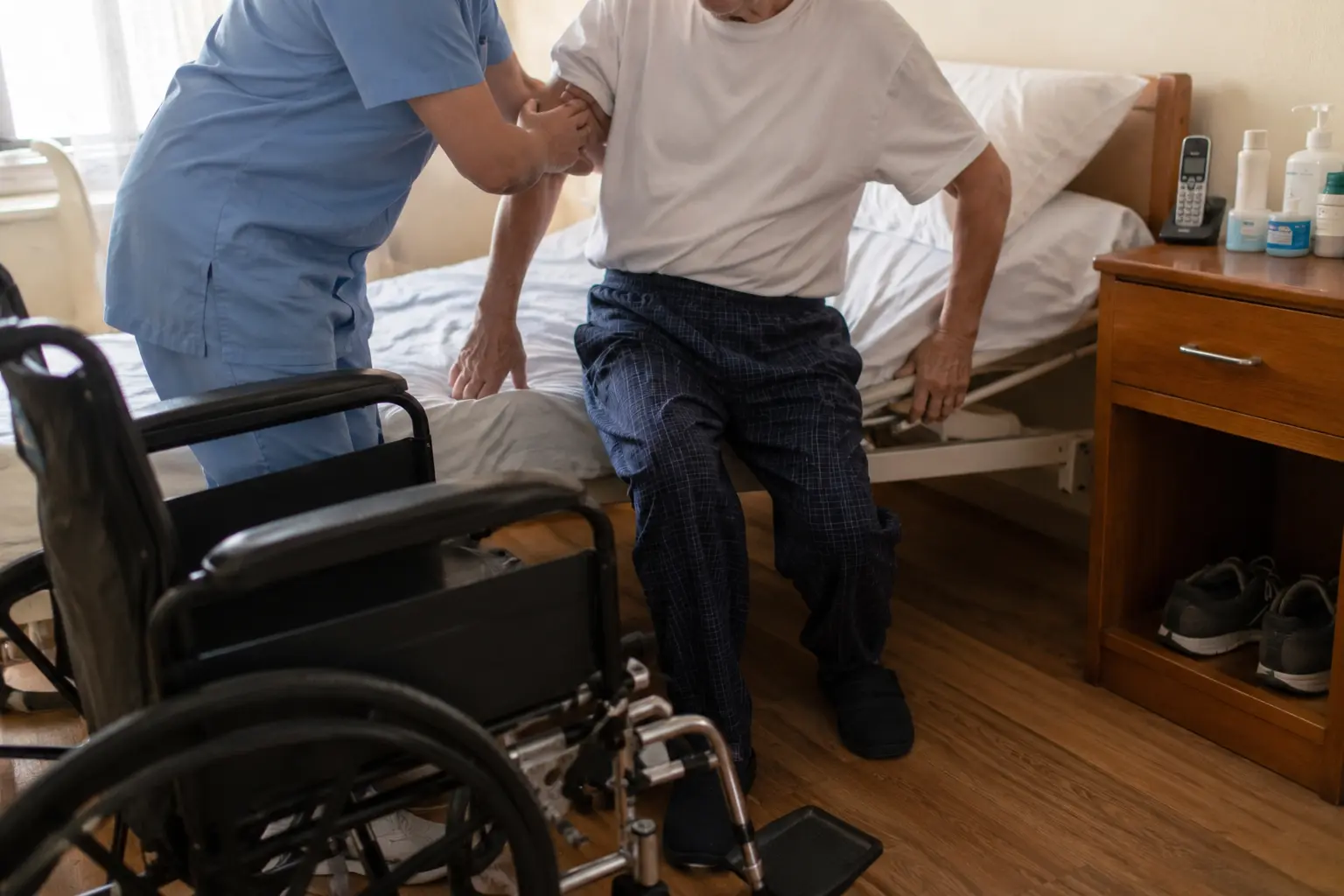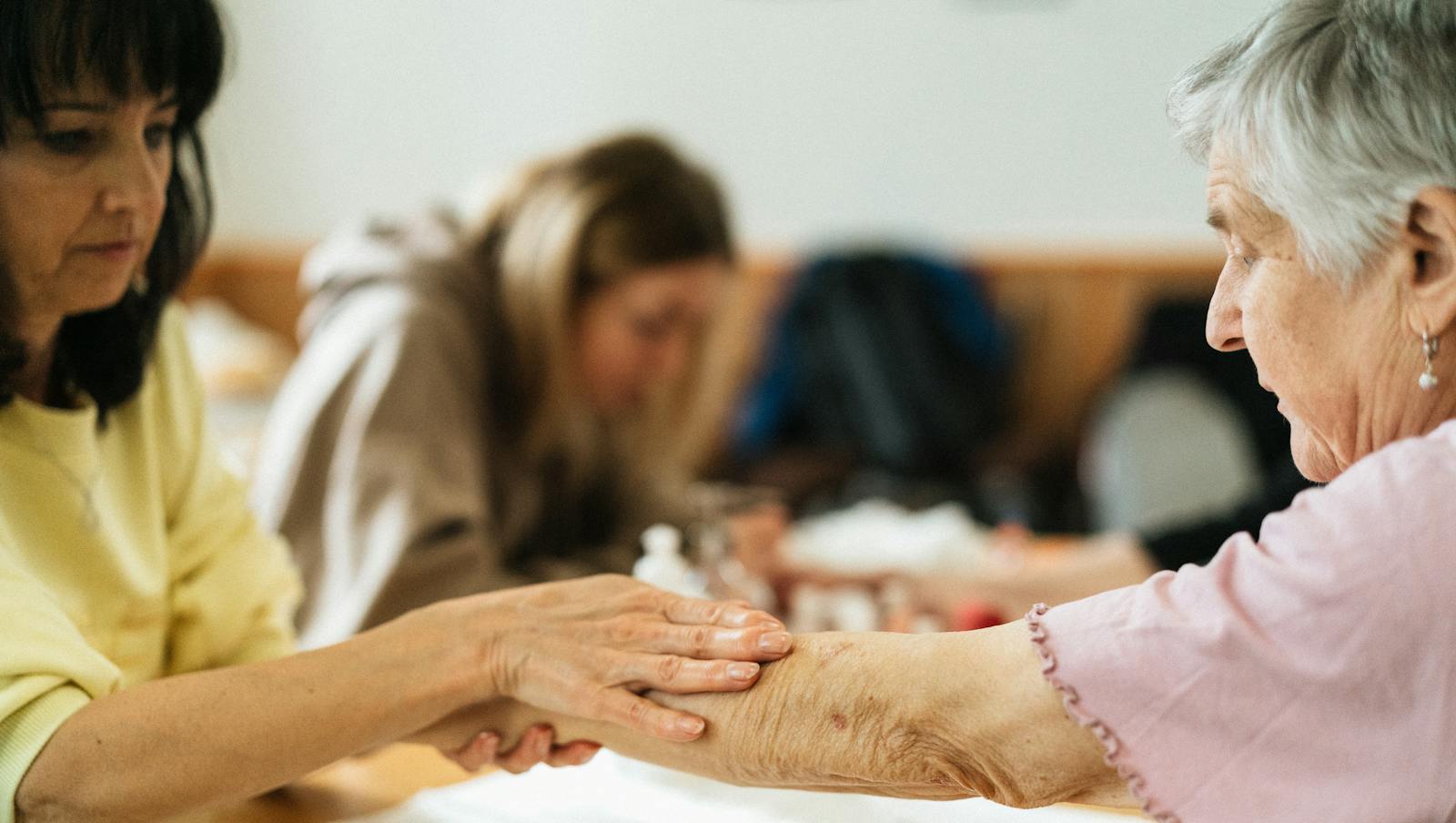
When selecting a nursing home for an elderly family member, it is common to have a great deal of faith in the carers and facility managers. Families anticipate that residents will get the proper personal care, diet, medicine, emotional support, and monitoring. Even though many institutions put a lot of effort into creating a secure atmosphere, neglect may happen when basic requirements are consistently disregarded.
Neglect in nursing homes is not often evident right away. In contrast to certain types of abuse, it might develop gradually as a result of untreated medical Issues, insufficient monitoring, poor cleanliness, or missing meals. Early detection of warning indicators allows families to ask questions and take necessary action before the issue worsens.
Abrupt Shifts In Personal Hygiene
Important indicators of the level of everyday care a resident gets may be found in personal hygiene. Strong body odor, unclean clothes, unclean hair, unwashed bedding, or persistently poor dental hygiene might all be signs that regular help is not being provided.
Neglect is not always shown by a single instance. However, persistent hygiene issues should be addressed, especially if the individual requires assistance with dressing, washing, or using the bathroom. Recurring issues should be noted by families and discussed with administrators or staff.
Dehydration Or Unexpected Weight Loss
Appetite changes may occur in older persons for a variety of causes, but significant or unanticipated weight loss shouldn’t be written off as a natural part of aging. Residents could need specific meals, help eating, or constant reminders to stay hydrated.
A medical assessment may be necessary if you have symptoms including dry mouth, unusual weakness, disorientation, or noticeable weight changes. When a loved one has trouble eating themselves, families should enquire about the monitoring of meals and hydration consumption.
Regular Falls And Inexplicable Injuries
Older persons are particularly concerned about falls, but recurring incidences may call into question safety protocols and monitoring. Cuts, fractures, bruises, and other unexplained injuries need to be treated carefully.
Facilities should evaluate each person’s risk of falling and put in place the necessary safety precautions. Families may need to do further research when accidents occur often without obvious causes. When families are attempting to grasp their legal options, resources like https://nursinghomelitigator.com/ may assist them in learning more about nursing home injury and neglect concerns.
Bedsores That Grow Or Get Worse
When people with restricted mobility stay in one position for long periods of time, pressure injuries, sometimes known as bedsores, may occur. Repositioning patients on a regular basis, keeping an eye on sensitive skin regions, and ensuring proper diet and cleanliness are all possible tasks for nursing home personnel.
Because some residents have serious medical risk factors, a pressure injury does not always indicate neglect. But growing sores, a lack of a defined care plan, or treatment delays may raise concerns about whether the right medical and preventative measures are being taken.
Behavioral Or Emotional Shifts
Resident care encompasses more than just physical issues. Sometimes emotional shifts point to issues that are hard for families to see firsthand.
A once outgoing resident may be in distress if they abruptly become reclusive, afraid, abnormally silent, or nervous around certain carers. Behavioral changes should be taken into account in conjunction with medical and environmental variables rather than being immediately linked to aging, since cognitive problems might make communication difficult.
Frequent private discussions may allow people to voice problems without feeling under pressure.
Issues With Medication And Medical Care
In order to properly administer prescriptions and schedule medical visits, residents often rely on nursing home staff. Residents may be put at risk by repeated missed doses, inexplicable drug changes, untreated symptoms, or delays in seeking medical care.
By keeping an up-to-date drug list and inquiring about major treatment modifications, families may remain engaged. Inconsistencies may be found before they have major repercussions if family members, facility employees, doctors, and other medical professionals communicate clearly.
Maintaining Your Involvement Can Help
When it comes to safeguarding family members residing in assisted living facilities, families may be crucial. Potential issues may be identified more easily with regular visits at various times, talks with residents, attention to behavioral and physical changes, and contact with carers.
Not all injuries or health changes are indicative of maltreatment. Elderly people may have complicated medical requirements that pose inevitable dangers. What counts is if the facility reacts suitably, adheres to the resident’s care plan, communicates honestly, and takes adequate precautions to ensure their safety and well-being.
Families should not disregard warning signals when they become persistent or when many issues come up at once. Vulnerable residents may be guaranteed the care and respect they deserve by asking questions, recording concerns, obtaining independent medical opinion when needed, and being aware of any reporting or legal alternatives.