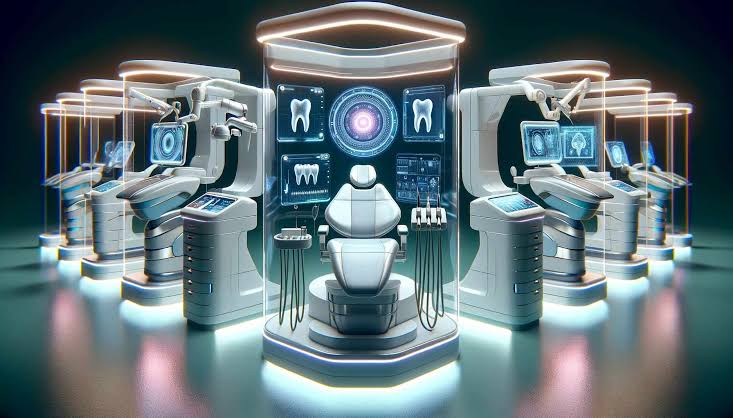
A productive dental practice depends on more than the expertise of its dentists and the number of patients visiting each day. The equipment used during examinations, treatments, and routine procedures directly influences how smoothly a dental office operates. Every piece of equipment, from cabinets and lighting to patient seats and delivery methods, enhances the entire clinical experience. Making thoughtful purchasing decisions allows dental professionals to create an environment where efficiency, comfort, and quality patient care work together.
Selecting dental equipment requires careful consideration of daily workflows, available space, staff requirements, and long-term operational goals. Rather than focusing entirely on initial costs, successful practices evaluate how equipment will perform during everyday procedures and whether it supports consistent productivity.
Choosing Equipment That Supports Daily Clinical Workflows
Every dental practice follows a series of coordinated activities, including patient preparation, examinations, treatments, instrument handling, and room cleaning. Equipment that complements these activities can help reduce unnecessary movement and improve coordination between dentists and dental assistants.
For example, thoughtfully positioned delivery systems allow dental professionals to access instruments without repeatedly changing their working positions. Adjustable dental chairs make it easier to accommodate different procedures while maintaining appropriate access to the treatment area.
Manufacturers such as DCI Edge offer dental equipment solutions designed around functionality, ergonomics, and operatory organization. Considering these characteristics during equipment selection helps practices establish treatment environments that support efficient clinical routines.
Prioritizing Ergonomic Design for Dental Professionals
Dentists and dental hygienists frequently spend extended periods performing procedures that require precision and concentration. Poorly positioned equipment can contribute to awkward postures, repetitive movements, and physical discomfort.
Ergonomic dental equipment helps address these challenges by supporting more natural working positions. Adjustable patient chairs, accessible instrument controls, and properly positioned delivery units can reduce the need for excessive reaching or bending.
Equipment placement should also accommodate the working preferences of different clinicians. A flexible operatory setup allows professionals to adjust their environment according to the procedure being performed.
By incorporating ergonomic considerations into purchasing decisions, dental practices can create more comfortable working conditions while supporting consistent clinical performance throughout the day.
Improving Patient Comfort Through Equipment Selection
Patient comfort plays an important role in creating positive dental experiences. Individuals who feel physically supported during treatment may find it easier to remain comfortable throughout longer appointments.
Dental chairs with adjustable positioning, supportive cushioning, and smooth movement can improve the treatment experience. Proper lighting also helps clinicians maintain visibility without unnecessary interruptions.
Additionally, organized equipment arrangements contribute to a calmer clinical atmosphere. When instruments and supplies are accessible, dental professionals can concentrate on patient care rather than searching for necessary materials.
These improvements can help practices maintain efficient appointment schedules while providing a welcoming environment.
Making Better Use of Available Operatory Space
Dental operatories often have limited floor space, making equipment dimensions and placement important considerations. Oversized furniture or poorly arranged workstations can restrict movement and complicate routine procedures.
Compact delivery systems, integrated storage solutions, and strategically positioned cabinetry can help maximize available space. Wall-mounted storage and organized drawers allow essential supplies to remain accessible without overcrowding treatment areas.
Practices should evaluate how equipment interacts with existing plumbing, electrical connections, and room layouts before making purchases.
Thoughtful space planning also supports smoother movement between treatment areas, particularly in busy practices where multiple team members share responsibilities.
Considering Durability and Maintenance Requirements
Dental equipment represents a significant financial investment, making reliability an important purchasing factor. Equipment that frequently requires repairs can interrupt appointments, increase operating expenses, and create scheduling difficulties.
Before selecting equipment, practices should examine construction quality, warranty coverage, maintenance requirements, and replacement part availability.
Choosing products with accessible components and straightforward maintenance procedures may simplify routine servicing. Staff training is equally important because proper equipment handling can help prevent unnecessary wear.
A long-term purchasing strategy considers total ownership costs rather than relying exclusively on the initial purchase price.
Supporting Future Practice Growth With Flexible Equipment
Dental practices evolve as patient demand increases, treatment services expand, and new technologies become available. Equipment selected today should ideally accommodate reasonable changes in future operational requirements.
Modular cabinetry, adaptable delivery systems, and flexible operatory configurations can make future improvements easier to manage. Practices planning to introduce additional services should consider whether their current equipment arrangements can support those procedures.
Evaluating compatibility with existing systems also helps prevent unnecessary replacement expenses during future upgrades.
Conclusion
Building a more productive dental practice begins with selecting equipment that supports both clinical efficiency and patient satisfaction. Ergonomic design, organized workspaces, reliable performance, and adaptable configurations all contribute to smoother daily operations.
By evaluating equipment according to practical needs and long-term value, dental professionals can create treatment environments that improve workflow, support staff comfort, and maintain high standards of patient care. Thoughtful equipment selection ultimately provides a stronger foundation for sustainable practice growth.