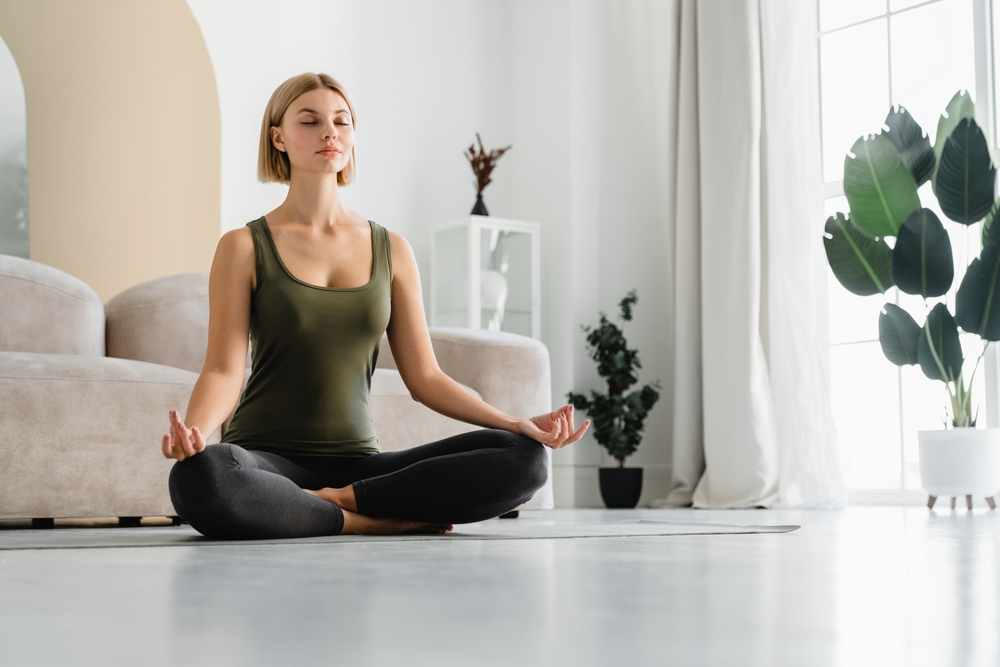
In today’s fast-paced world, stress has become an unwelcome companion in many people’s lives. Whether it’s meeting deadlines, managing family responsibilities, or simply dealing with everyday uncertainty, the mind can feel overwhelmed. Mindfulness offers a powerful yet simple way to counter this. By paying attention to the present moment without judgment, mindfulness helps calm the mind, reduce stress, and bring clarity to daily living.
Living In The Present Moment
Mindfulness begins with awareness. Too often, our thoughts are scattered between regrets about the past and worries about the future. This constant tug-of-war creates unnecessary stress. By training the mind to focus on the present, we can reduce anxiety and improve overall well-being.
Think of how a mirror hidden face dp with iPhone captures a moment frozen in time—raw, unfiltered, and immediate. Mindfulness works similarly by holding our attention to what is happening right now without distractions. This simple shift of focus is the foundation for stress reduction.
Practical Daily Mindfulness Practices
One of the best parts about mindfulness is its accessibility. You don’t need special equipment or long hours of training. Just a few minutes a day can make a noticeable difference. Breathing exercises, mindful walking, and short meditation breaks during the day are all effective practices.
Even simple activities like browsing can be turned into mindfulness exercises. Instead of rushing, you can focus on each detail—reading carefully, noticing your reactions, and staying engaged with the task. This mindful attention transforms ordinary routines into calming experiences.

Mindfulness And Emotional Release
Stress often hides in unexpressed emotions. When we ignore or suppress these feelings, they resurface as tension in the body or restlessness in the mind. Mindfulness encourages us to notice emotions as they arise, accept them, and let them pass without judgment.
For example, many turn to artistic or literary expressions like sad shayari love to process emotions. Similarly, mindfulness provides a safe outlet to acknowledge pain, disappointment, or longing without getting lost in them. This emotional honesty helps reduce stress and cultivates resilience.
Creating A Calmer Environment
A supportive environment plays a crucial role in stress reduction. Your surroundings—both physical and social—affect your state of mind. Decluttering your space, taking short breaks outdoors, or limiting noise can all help foster mindfulness.
Just as people explore an Australia houses for sale listing to imagine a fresh start in a peaceful home, mindfulness allows you to create a fresh start within your mind. It gives you a chance to clear out mental clutter and make room for clarity and calm.
Mindfulness In Social Spaces
Human connections are another important factor in stress management. Mindfulness in conversations means truly listening without interrupting, acknowledging the other person’s perspective, and responding thoughtfully. This reduces misunderstandings and strengthens relationships.
Even simple social activities, like searching through a restaurant directory in Australia to find a place to share a meal with friends, can be enhanced by mindfulness. By being present in these moments—whether eating, talking, or simply enjoying company—you reduce stress and deepen your sense of connection.
The Science Behind Mindfulness And Stress
Studies show that mindfulness reduces levels of cortisol, the stress hormone, and promotes healthier brain function. Regular mindfulness practice can lower blood pressure, improve sleep, and even strengthen the immune system. On a psychological level, it improves focus, emotional stability, and resilience against daily challenges.
These benefits highlight why mindfulness has become an essential practice in workplaces, schools, and even healthcare systems around the world. It is not just a spiritual practice but a scientifically supported tool for well-being.
Making Mindfulness A Habit
The key to unlocking mindfulness’s full potential is consistency. Start small with just five minutes of deep breathing or body scanning before bed. Gradually increase the time and incorporate mindfulness into daily routines like eating, commuting, or exercising.
Much like building any other skill, mindfulness requires practice. The more often you remind yourself to slow down and notice the present moment, the easier it becomes to handle stress when life feels overwhelming.
A Path Toward Peace
Mindfulness is more than a stress-relief technique—it’s a way of life. By slowing down, observing without judgment, and embracing the present moment, you can cultivate peace even in the busiest of times. The beauty of mindfulness lies in its simplicity and accessibility: anyone, anywhere, can practice it.
Graduation, job promotions, or financial success might shape parts of our journey, but it is mindfulness that shapes our inner world. By practicing it daily, you not only reduce stress but also open the door to a more balanced, fulfilling life.
Conclusion
Mindfulness is a gentle reminder that peace doesn’t come from changing the outside world but from nurturing calm within ourselves. By practicing simple habits like focused breathing, mindful observation, and being present in conversations, we can transform how we experience stress. Whether it’s noticing emotions, finding meaning in daily routines, or creating a sense of clarity in our environment, mindfulness allows us to pause and reset. The more we commit to this practice, the more resilient, balanced, and fulfilled our lives become.